Table Games That Build Strategic Thinking
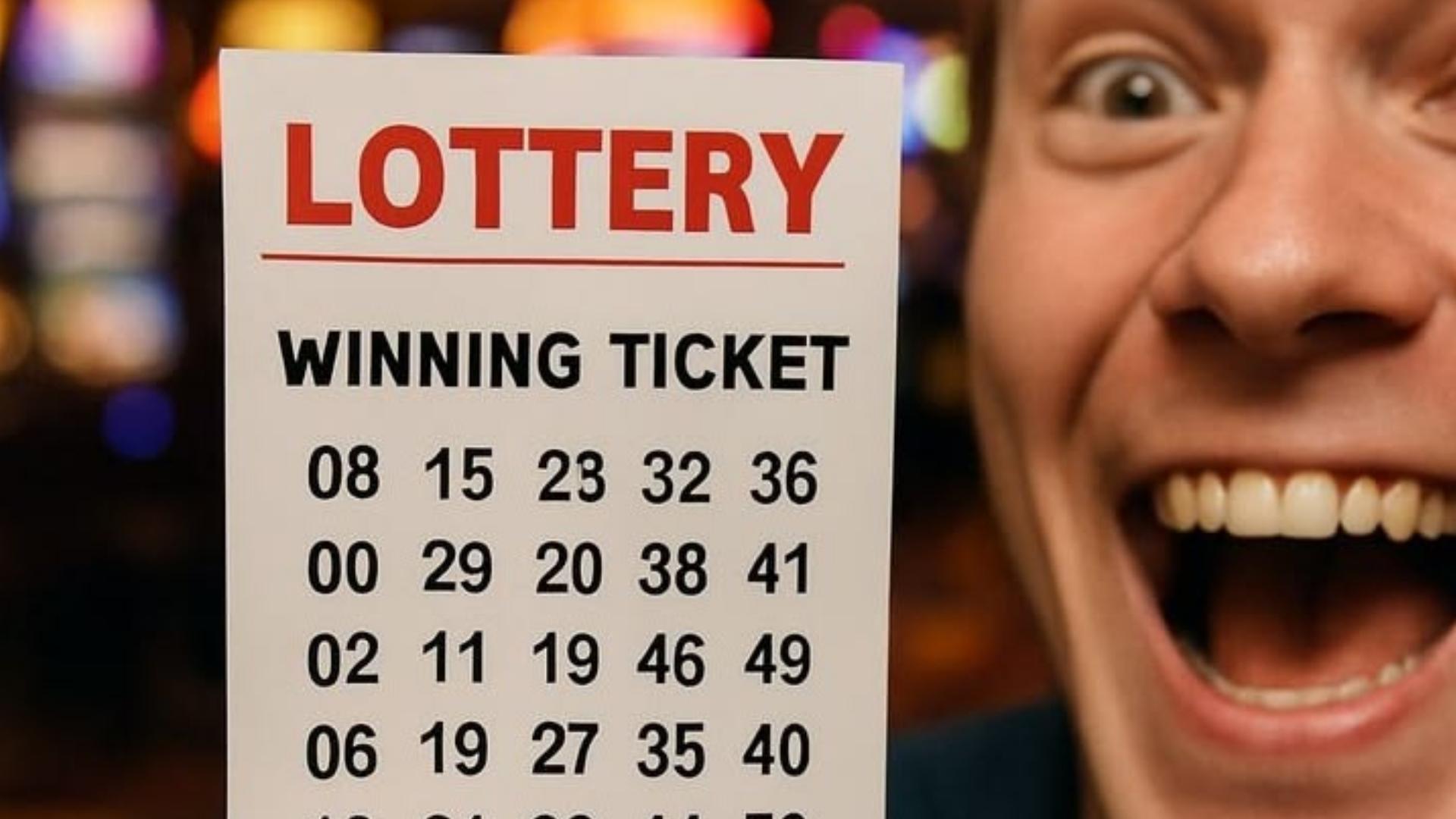
Gathering around a table to play games has transitioned from a simple pastime into a powerful tool for intellectual development. Whether engaging in classic board games or fast-paced card competitions, these activities force players to think several moves ahead. The mental workout provided by these tabletop experiences can sharpen real-world decision-making and build robust strategic thinking skills over time.
The Foundations of Tactical Chess
Chess remains the ultimate benchmark for tactical planning and deep concentration on a physical board. Every single movement of a piece requires players to anticipate multiple countermoves from their opponent while managing their own long-term objectives. This continuous loop of action and anticipation naturally trains the human brain to evaluate risks and calculate probabilities in real time.
Additionally, chess teaches players the high value of patience and the necessity of sacrificing short-term gains for a more secure position later. Developing this specific cognitive discipline helps individuals manage stressful situations with greater emotional control. By mastering these basic board dynamics, anyone can improve their general problem-solving speed and logical reasoning.
Modern European Strategy Games
In recent years, modern European-style board games have introduced complex resource management mechanics to table players. These titles usually shift the focus away from direct elimination and instead challenge participants to optimize limited resources. Players must constantly adapt to changing conditions on the board while balancing competing priorities to secure victory.
This dynamic environment mirrors many professional scenarios where individuals have to negotiate with limited budgets and unpredictable markets. Engaging with these game structures helps sharpen analytical thinking and encourages flexible planning rather than rigid, easily disrupted strategies. Over time, players become highly proficient at identifying hidden opportunities and executing complex, multi-layered plans.
Card Games and Analytical Probability
Classic card games like poker or blackjack offer a completely different way to build strategic minds. These tabletop activities place a strong emphasis on mathematical probability, risk assessment, and understanding human behavior. Success in card gaming is rarely about the luck of the draw; instead, it depends on a player's ability to calculate odds under pressure.
Understanding when to fold, hold, or make a bold move teaches players to make rational choices based on incomplete information. For players who enjoy analyzing competitive matchups and tracking performance data, checking out M88 esports can offer deep insights into high-level tactical statistics. Cultivating this analytical mindset eventually translates to better financial management and stronger analytical skills in daily life.
The Value of Cooperative Problem Solving
While many tabletop games are highly competitive, cooperative table games offer an equally valuable path to cognitive growth. In these scenarios, players must work together as a single unit to defeat an automated game system or solve a complex puzzle. This shared format requires excellent communication, team coordination, and the collective delegation of important tasks.
Rather than thinking solely of individual gain, players must analyze how their personal choices will affect the group's overall survival. This collaborative approach directly builds essential soft skills like active listening, collective bargaining, and cooperative leadership. Ultimately, playing cooperative tabletop games is a fun and effective way to prepare for complex team projects and community initiatives.